
The Beauty of Gut Strings: Warmth and Expression in Sound
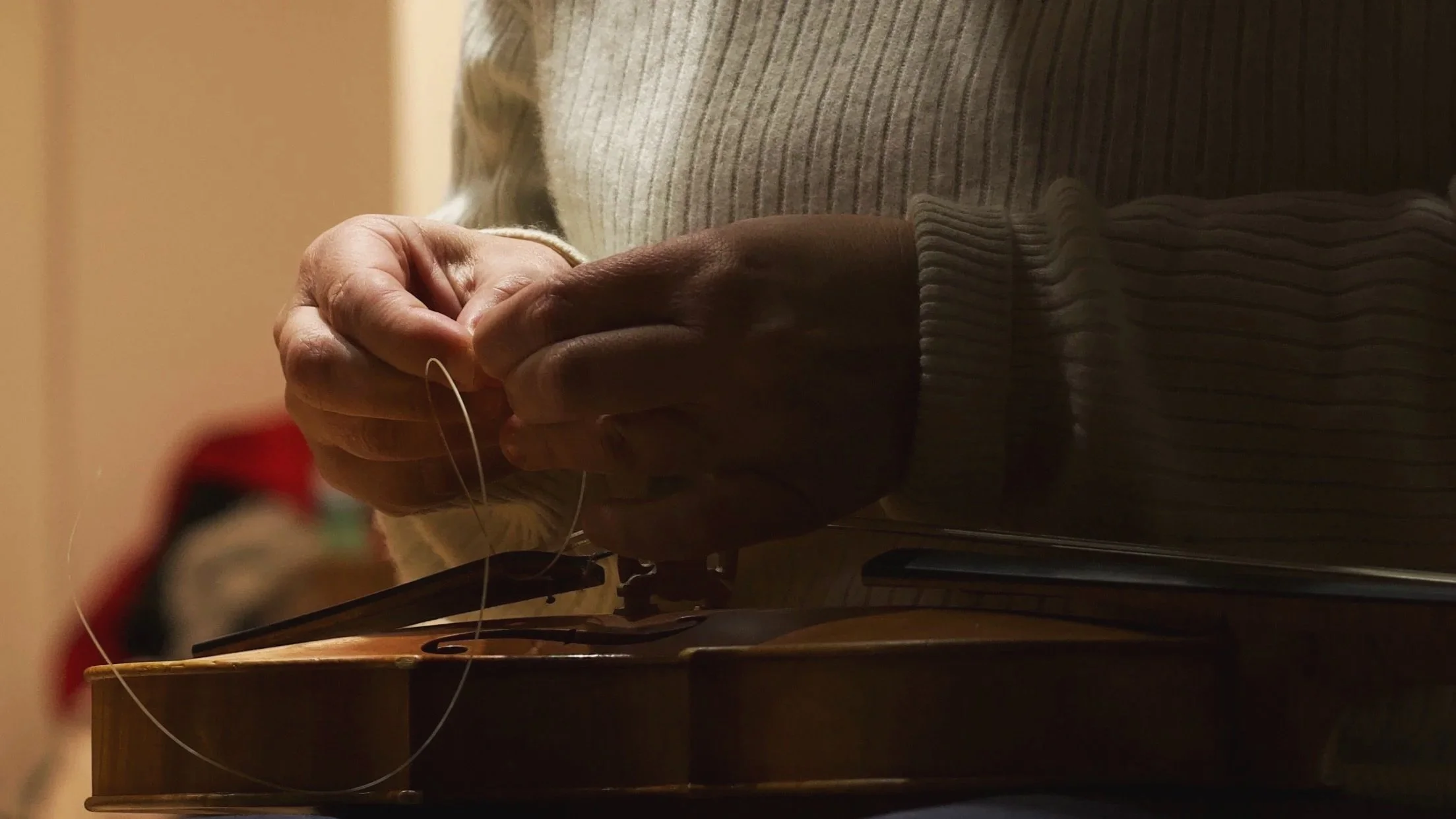
Ready to hear what your violin has been holding back?
A Return to Natural Resonance
For many violinists exploring Historically iInformed Performance (HIP) changing from modern synthetic or steel strings to gut strings feels like rediscovering something quietly essential.
The first bow stroke is different – less about projection, more about drawing sound. The tone feels alive, flexible, and deeply human.
Traditionally made from sheep gut, these strings respond to every shift in touch and humidity.
Their sound is warmer, more textured, and beautifully unpredictable. Instead of the even brilliance of steel, gut offers a living resonance that seems to breathe with you. Each note doesn’t just sound – it speaks.
A Living History of Sound
For centuries, gut was the material at the heart of string playing.
From Corelli to Mozart, every violinist you admire would have known the sound and feel of gut under their fingers – sometimes pure, sometimes metal-wound, always alive.
The Baroque violin itself was designed for this balance: a shallower neck angle, a lighter bass bar, a lower bridge – all helping the instrument resonate freely under lower tension. The result was not loudness, but clarity and eloquence.
Switching to gut isn’t about nostalgia; it’s about reconnecting with that balance – where violin, bow, and player breathe in the same rhythm.
It’s also a quiet step toward the language of HIP, where each gesture carries weight and meaning.
Playing on Gut: A Different Kind of Technique
Playing on gut strings requires a different kind of awareness – one that listens as much as it leads.
Gut is alive; it reacts, resists, surprises. Each string is handmade, each day slightly different. Some players call it demanding. I call it honest.
A new string takes time to settle, and later, those small fibres that fray on the surface signal that its voice (life…) is fading. Each stage offers a new character and asks for different awareness.
To play on gut is to enter a conversation: between sound and gesture, tension and release. The bow doesn’t dominate – it responds.
And when you lean into that relationship, you realise how much the instrument itself is willing to teach you.
At first, gut may seem unpredictable, but that’s part of its charm. Its subtleties invite patience, curiosity, and a more personal way of making music.
The Emotional Colour of Gut Strings
Many adult learners describe their first encounter with gut strings as falling in love again.
The sound feels intimate – less polished, more real. You start to notice the space between notes, the breath of the music. It’s a reminder that expressiveness lives in nuance, not perfection.
On gut, vibrato becomes a choice rather than a habit – a trace of emotion, not decoration.
Phrasing turns organic; colour shifts with every change in bow speed or contact point.
Every note has the potential to speak, to move, to reveal something alive within the sound.
Bringing Gut Strings into Your Playing
You don’t need a full historical setup to explore what gut strings can teach you.
Even replacing one or two can transform your instrument’s warmth and response.
Whether you play Bach, Mozart, or early Romantic repertoire, gut invites you to listen differently – to find depth and flexibility in every phrase.
Many players I work with first meet gut strings right where they already practise – in their own living room, through online lessons. We try one new string, listen to how the instrument responds, and adjust touch and setup together until the sound feels like an ally rather than a stranger.
Every player meets gut strings sooner or later – usually by accident, and never without fascination. If you’d like to explore how these strings can change the way you listen and play, I offer online violin lessons that bring history, sound, and artistry together – one resonant note at a time.
More threads to follow ・・・
What to Expect From Your First Online Violin Lesson With Me │ What it feels like to explore sound, setup, and gut-curiosity together in a calm first online session
Holding The Violin With (Or Without) A Chin Rest │ How exploring chin-off and lighter support can change your balance, ease, and the way your sound opens up.
☯︎
© 2026 Léna Ruisz. Text and images may not be reproduced without permission.