
What Is Historically Informed Performance – and Why It Still Matters
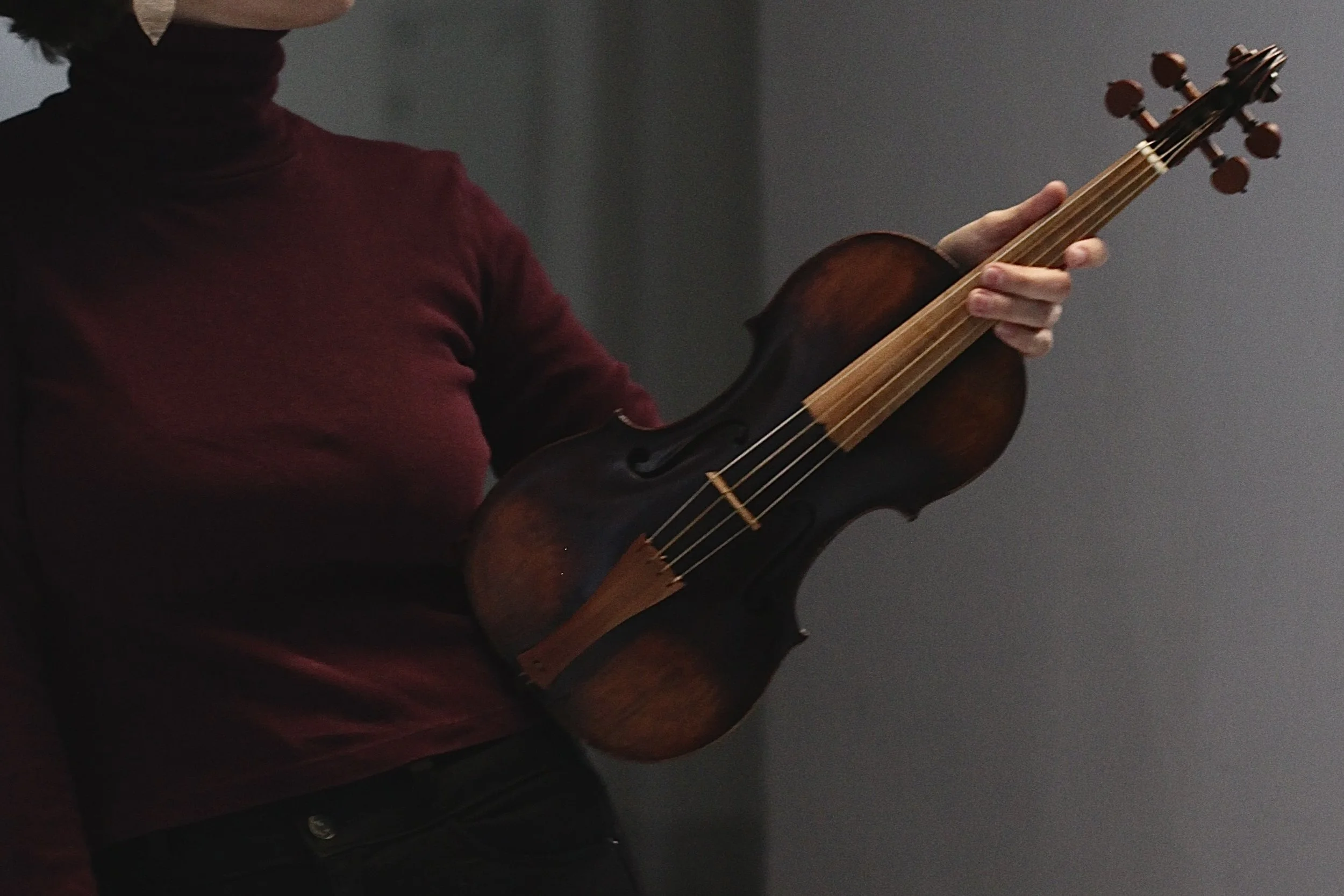
The score stays the same. The questions change.
Understanding Historically Informed Performance
When people hear the phrase Historically Informed Performance (HIP), they often picture gut strings, powdered wigs, and an audience that politely coughs between movements.
But HIP is much broader than that.
It’s a way of thinking about music – how it was written, what it meant, and how those meanings can still speak to us today.
It’s not about copying the past; it’s about discovering what the past can teach us about expression, freedom, and sound.
Curiosity Before Rules
HIP begins, quite simply, with curiosity.
What did this music sound like in its own time?
What were composers asking for, and how did their instruments shape those requests?
These aren’t historical trivia questions. They’re a way to get closer to the essence of music – to understand why it moves as it does.
And once that understanding begins, everything from bowing to timing starts to make a new kind of sense.
In short: HIP isn’t about sounding old. It’s about sounding informed.
Learning from the Past
Many of the great musician-teachers we now study – Geminiani, Leopold Mozart, Tartini – were wonderfully opinionated about how music should move the listener.
They wrote about phrasing, tone, and the purpose of expression in ways that remain strikingly relevant.
Later, Baillot, Spohr, and Ferdinand David carried that thinking into the early Romantic era, connecting Baroque rhetoric with a new emotional vocabulary.
Their treatises are less dusty relics than practical companions: part technique manual, part philosophical conversation.
If you ever wonder how musicians of the past thought about bowing or colour, these writings offer refreshingly direct answers – and occasionally, a strong opinion or two.
A Broader Understanding of Sound
Playing on gut strings or reading from an 18th-century score doesn’t make you a better person – but it might make you a better listener.
Understanding how materials, acoustics, and cultural habits shaped sound helps us play more thoughtfully today.
When we understand a little more about why composers wrote the way they did, the music starts to make sense on its own terms – and we can approach it with more confidence and nuance. And that awareness often leads to the best kind of freedom – the freedom to choose with understanding.
Why It Still Matters
In the 21st century, Historically Informed Performance is less a style than a mindset.
It’s what happens when curiosity meets skill – when a musician asks why instead of just how.
For professionals, it opens up new interpretive layers and sharpens stylistic awareness.
For adult learners, it creates a meaningful way to connect with music through context and sound.
And for everyone, it restores something we sometimes lose in technical perfection: a sense of play.
Because HIP, at its best, isn’t a rulebook. It’s a conversation – between centuries, between ideas, and between players who care about how music speaks.
In my online violin lessons, I coach adult learners and professionals use historical awareness to shape phrasing, articulation, and tone – so 18th-century music can sound fully alive in the 21st.
More threads to follow ・・・
Inside the Studio – How I Teach, Think, and Listen │ A longer, behind-the-scenes look at how I think about sound, teaching, and Historically Informed Performance in this studio
Starting Your Historically Informed Journey – Without a Baroque Setup │ Practical, non-dogmatic first steps if this article makes you want to try HIP on the violin you already have
Bringing HIP Awareness to Modern Violin Playing │ For modern players who want HIP ideas to sharpen phrasing and colour without changing their current setup
☯︎
© 2026 Léna Ruisz. Text and images may not be reproduced without permission.