
Do I Need a Violin Teacher as an Adult?
You have been working on the same passage for six weeks. You know it is not right, you have tried four sensible things, and you cannot say why it is still wrong. That is the point where self-teaching turns into guessing.
Violin Performance Anxiety: Why You Play Worse When Someone Is Listening
At home the shift works. In the lesson the bow is less steady and the hand misses what it found ten times yesterday. Being heard changes the task, and the change can be practised.
How to Play Violin Without Tension
How to play violin without tension: find when your thumb, jaw or shoulder tightens, test what may be driving it, and stop relying on reminders to relax.
How to Choose Violin Repertoire as an Adult
How to choose violin repertoire as an adult: tell whether a piece is too hard, too easy or the right challenge, using five questions you can run tonight.
Why Am I Not Improving at Violin Playing?
You are practising as much as before, with more care than you managed at the start, and nothing seems to move. Five separate things cause that, and from the inside they are nearly indistinguishable.
What Should I Practice on the Violin?
You sit down with thirty minutes and six things that all want it. Every session does one of three jobs, and here is how to decide which one earns the evening.
How to Improve Violin Tone and Bow Control
Speed, weight, and where the hair meets the string. Everything you hear comes from those three, and from how they trade against each other.
Violin Intonation: Why It Drifts and How Adults Fix It
Intonation is a game of action and reaction, and everyone plays out of tune. What changes with practice is how fast you hear it and answer.
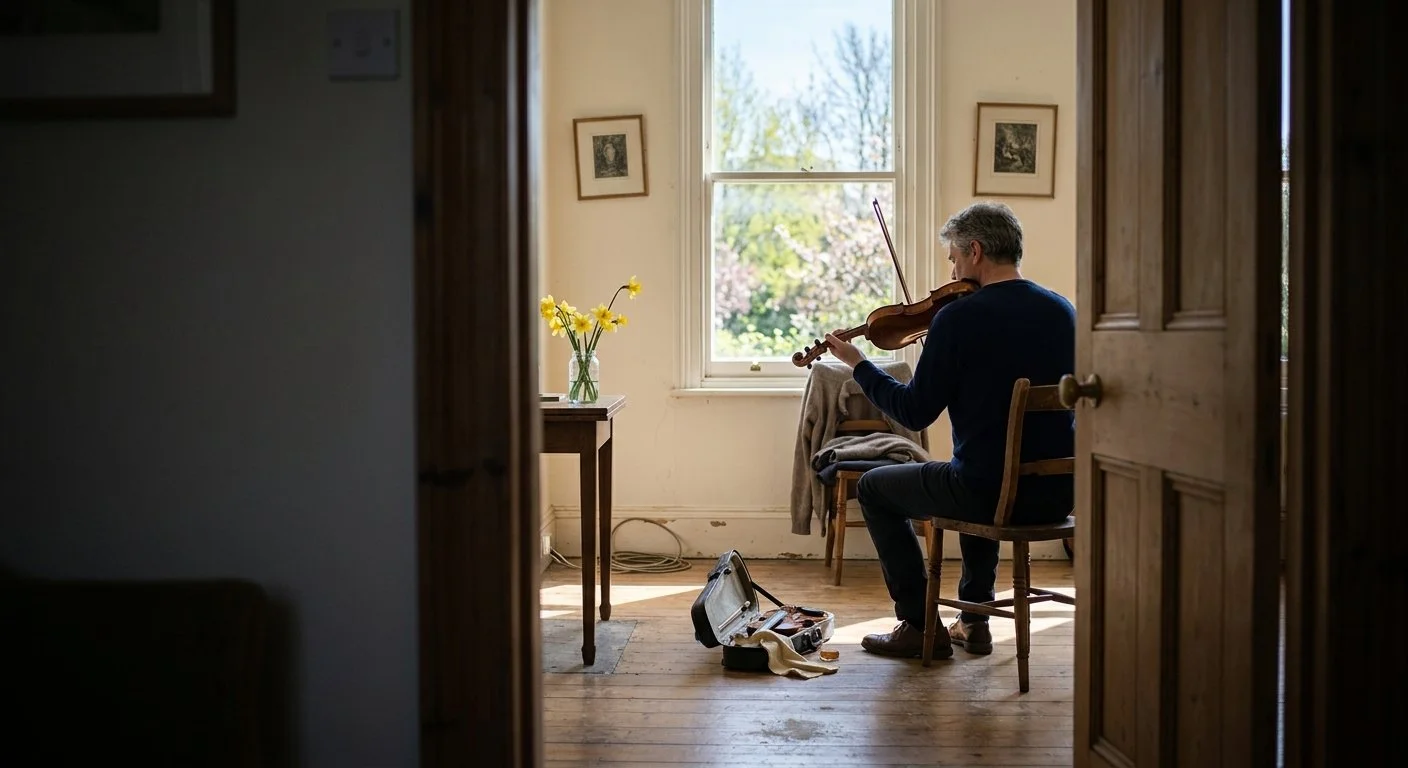
How to Hear What Is Actually Wrong in Your Own Playing
You play it again. Still off. Around the fifth repetition you notice you are not fixing anything – you are repeating and hoping. The skill that ends that is learnable at home.

Useful Sources for Self-Studying the Baroque Violin
The most reliable advice about Baroque violin playing was written in the eighteenth century, and none of it has been superseded. A guide to the six primary sources – and an honest account of where self-study runs out.

The Musician You Become When No One Is Grading You Anymore
The moment no one is grading you anymore, something in your playing can finally relax. This article is for adult musicians who want to keep growing – on their own terms, with their own taste, in their own time. No syllabus, no jury, no comparison.
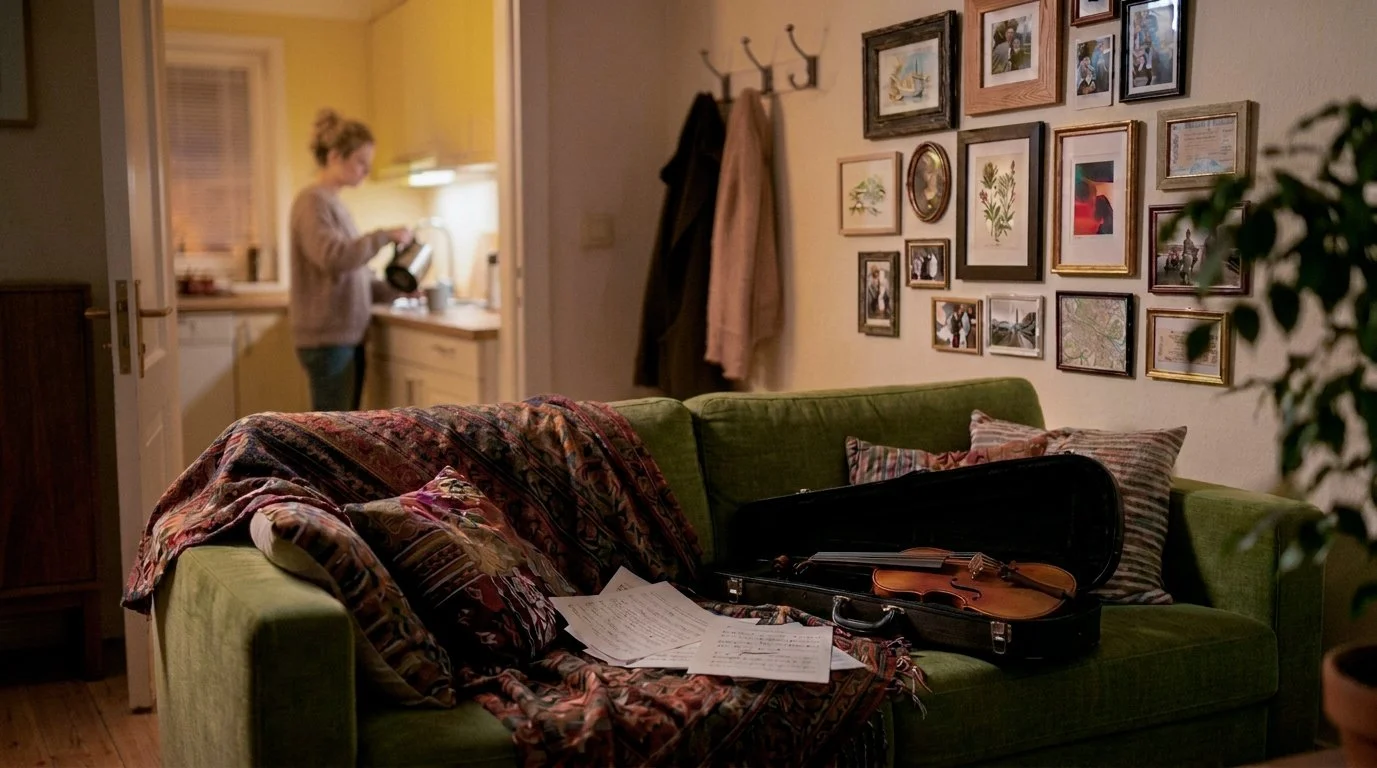
Learning Violin as an Adult: How to Make Music Part of Your Life
Between work, messages, and the occasional late-night doom-scroll, it becomes easy to lose the feeling of doing something that is genuinely yours.
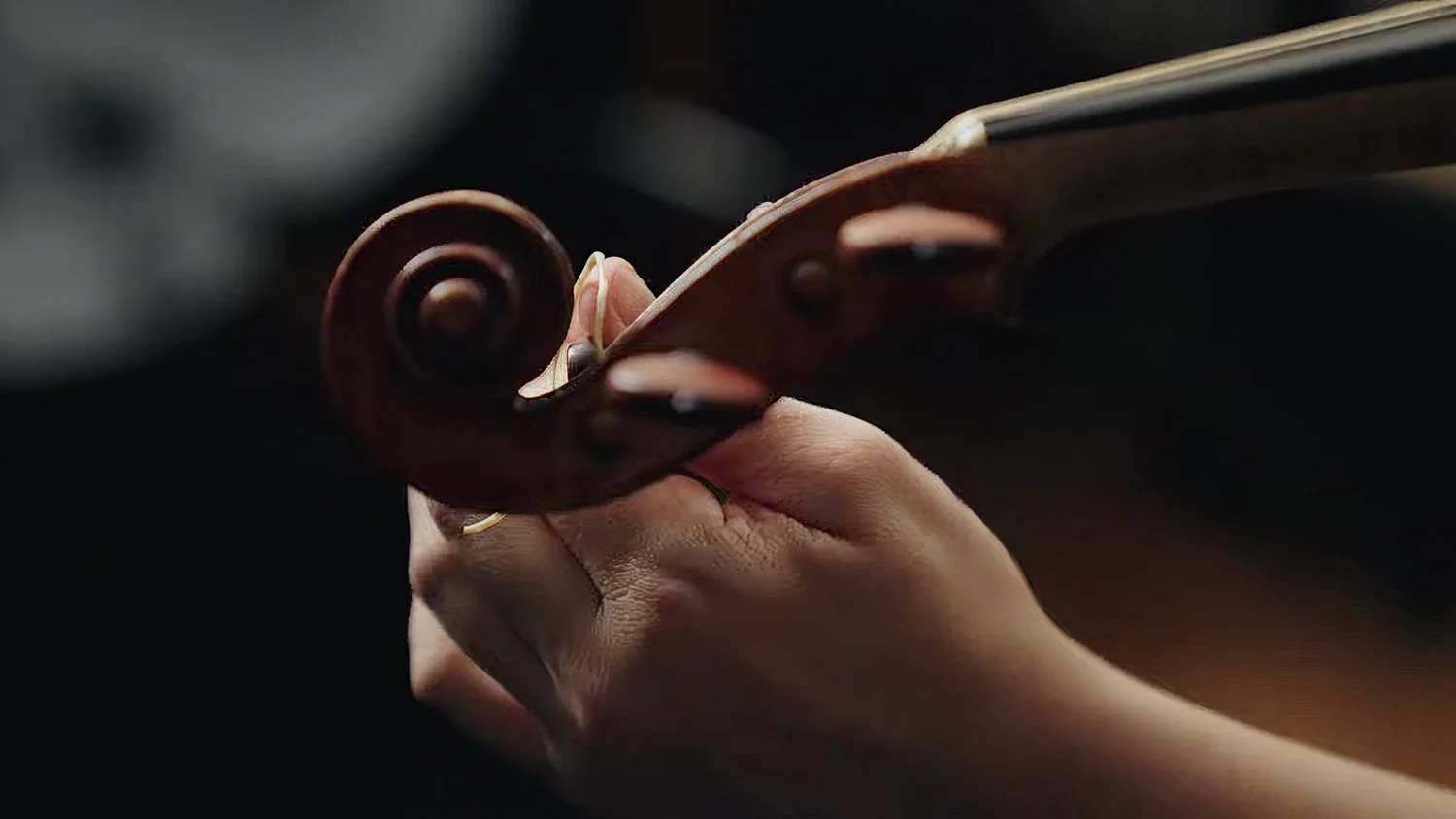
Why Historical Violinists Tune to A=415 (and Why You Should Try It)
Tuning down a semitone changes more than the pitch. It changes the tension, the resonance, and the way the violin wants to speak. This article is about what happens when you try A=415 – and what it reveals about your instrument that A=440 tends to keep quiet.
The Baroque Bow: An (Old) New Way to Shape Sound
Meet the bow that prefers speech to sheer force. This article explores the Baroque bow's history, balance, and character – and shows how its ideas can transform your phrasing and articulation on any bow you currently play.
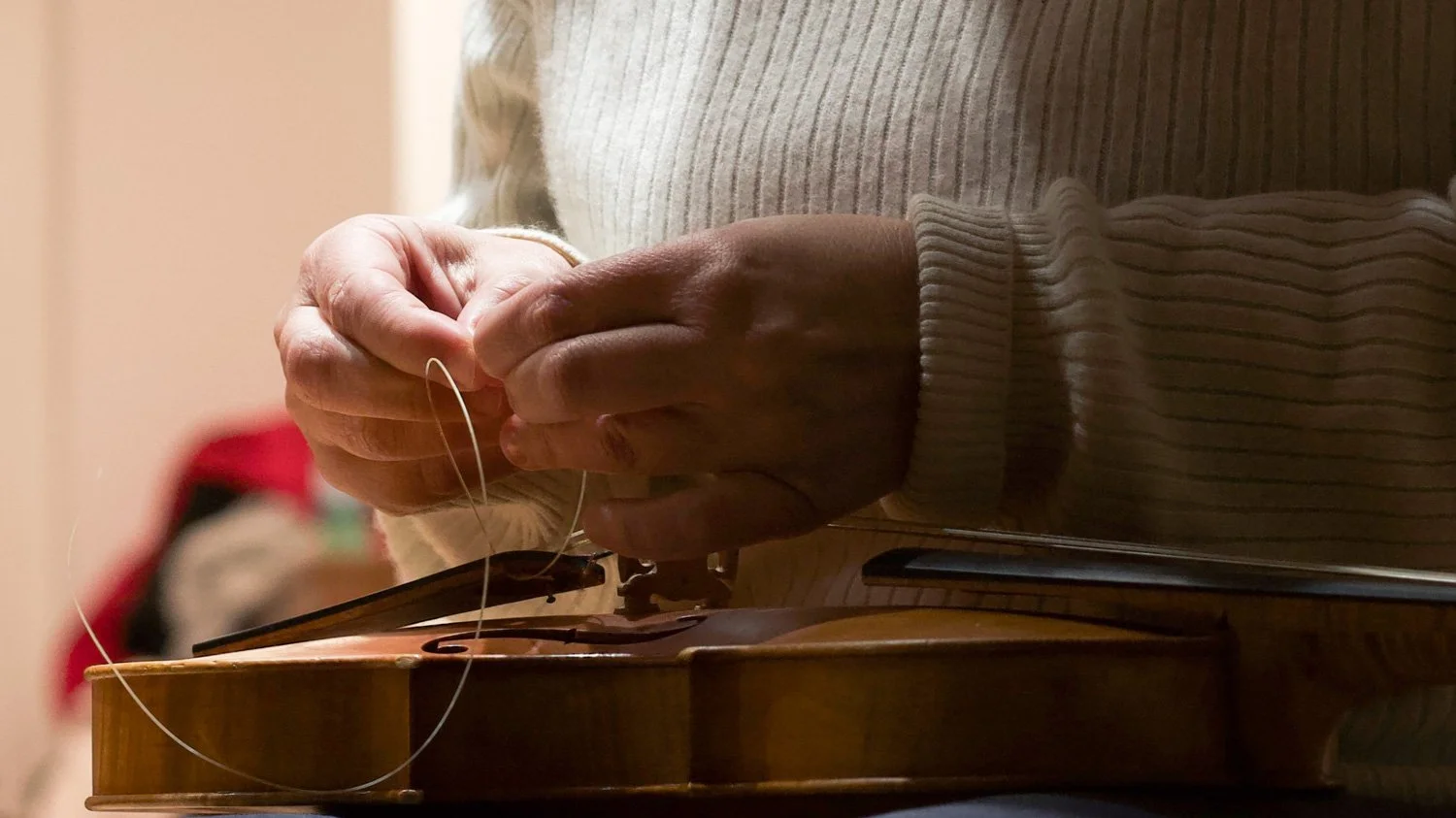
The Beauty of Gut Strings: Warmth and Expression in Sound
Gut strings are warmer, more complex, and harder to ignore once you have heard what they do to a phrase. This article explains what changes when you make the switch, what to expect in the first weeks, and how to begin if you are curious but not yet convinced.
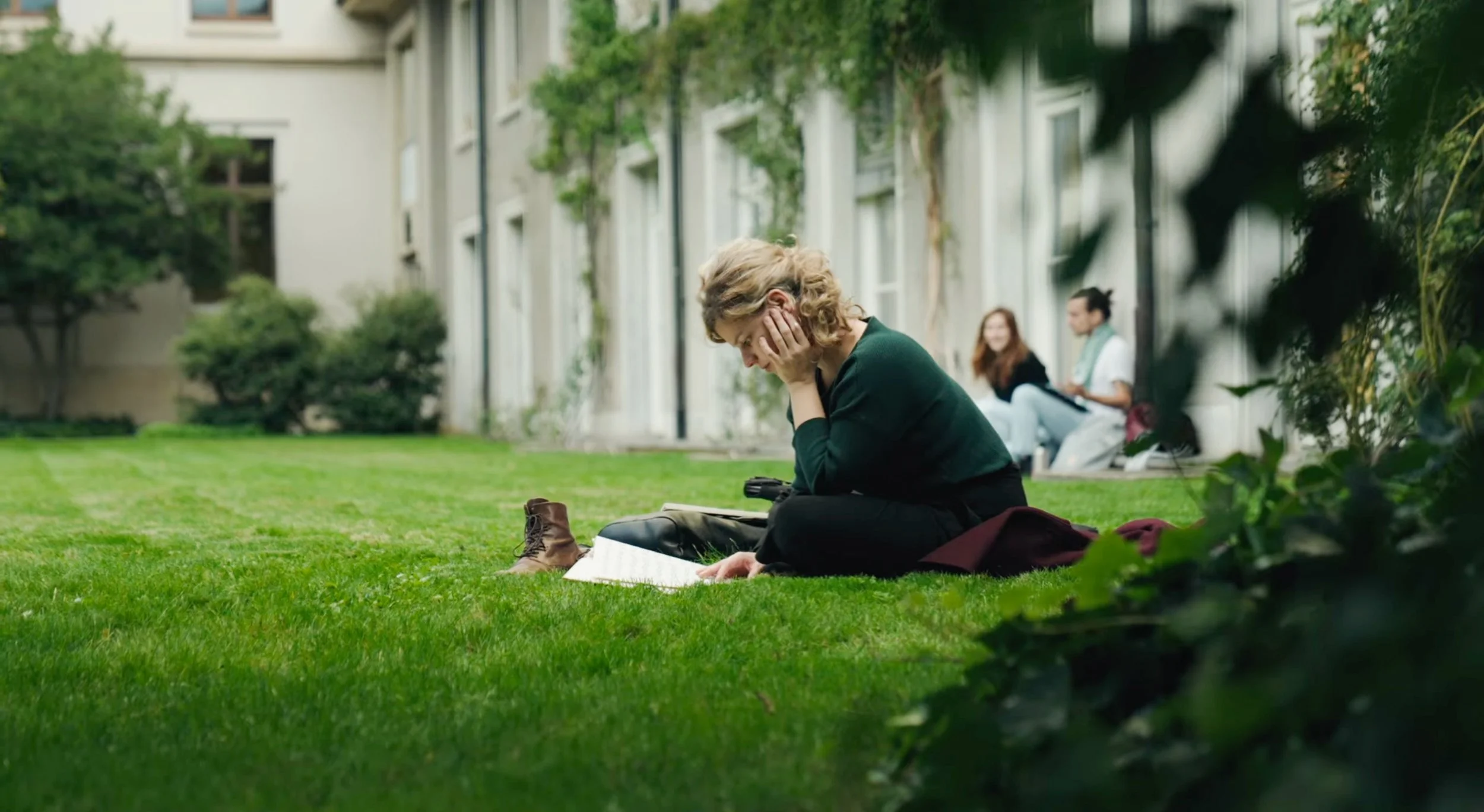
What Is Historically Informed Performance – and Why It Still Matters
Historically informed performance is not about playing old music in a museum. It is a way of reading music – asking where a phrase comes from, what it wants, how its rhetorical structure shapes the bow arm. This article explains what HIP actually is, and why it tends to make everything you play more interesting.

Why Online Violin Lessons Work Better Than You Think
Most people assume online violin lessons are a compromise. They are not. This article makes the case honestly – what works well, what takes adjustment, and why many of my students make faster progress online than they ever did in person.
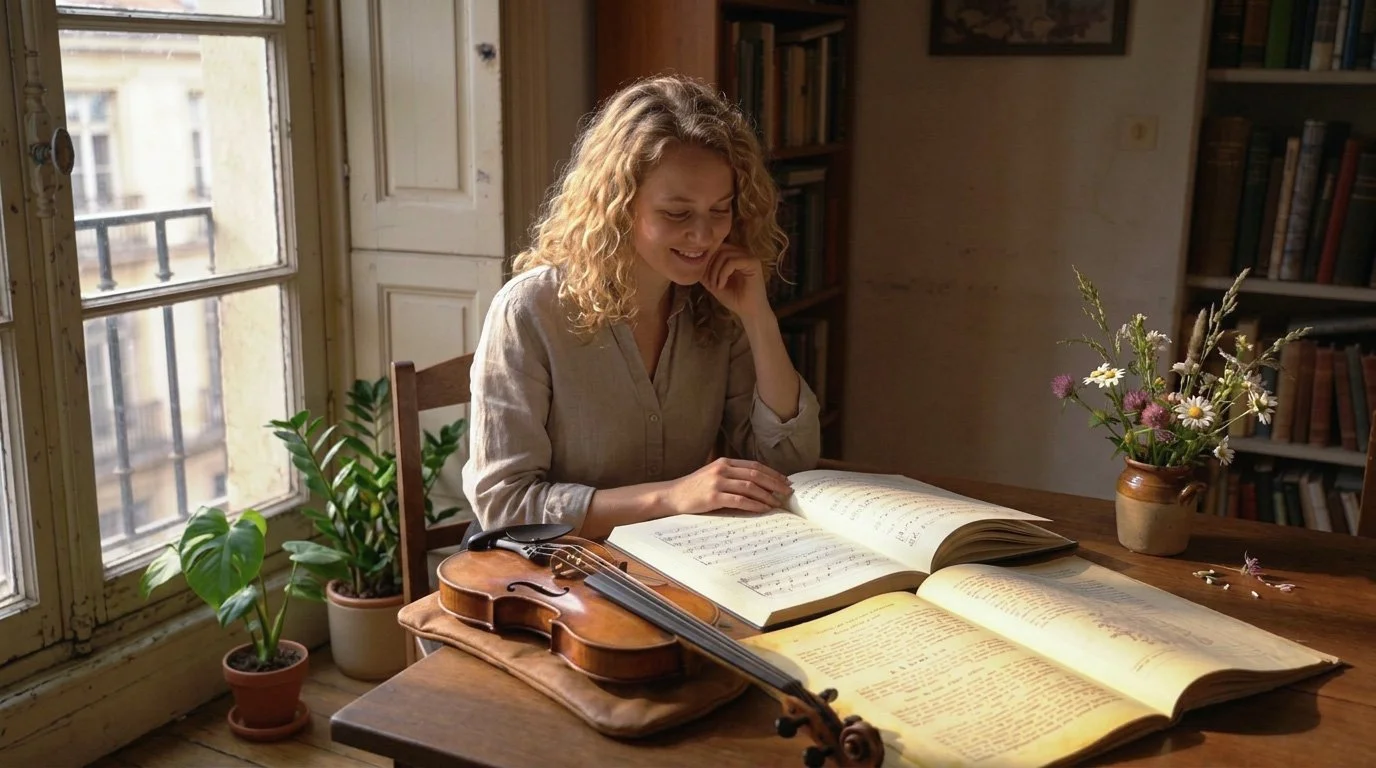
Starting Your Historically Informed Journey – Without a Baroque Setup
You do not need a Baroque violin, gut strings, or a period bow to start exploring historically informed playing. Your modern violin is already enough. This article explains why – and what you can try today, in your next practice session.
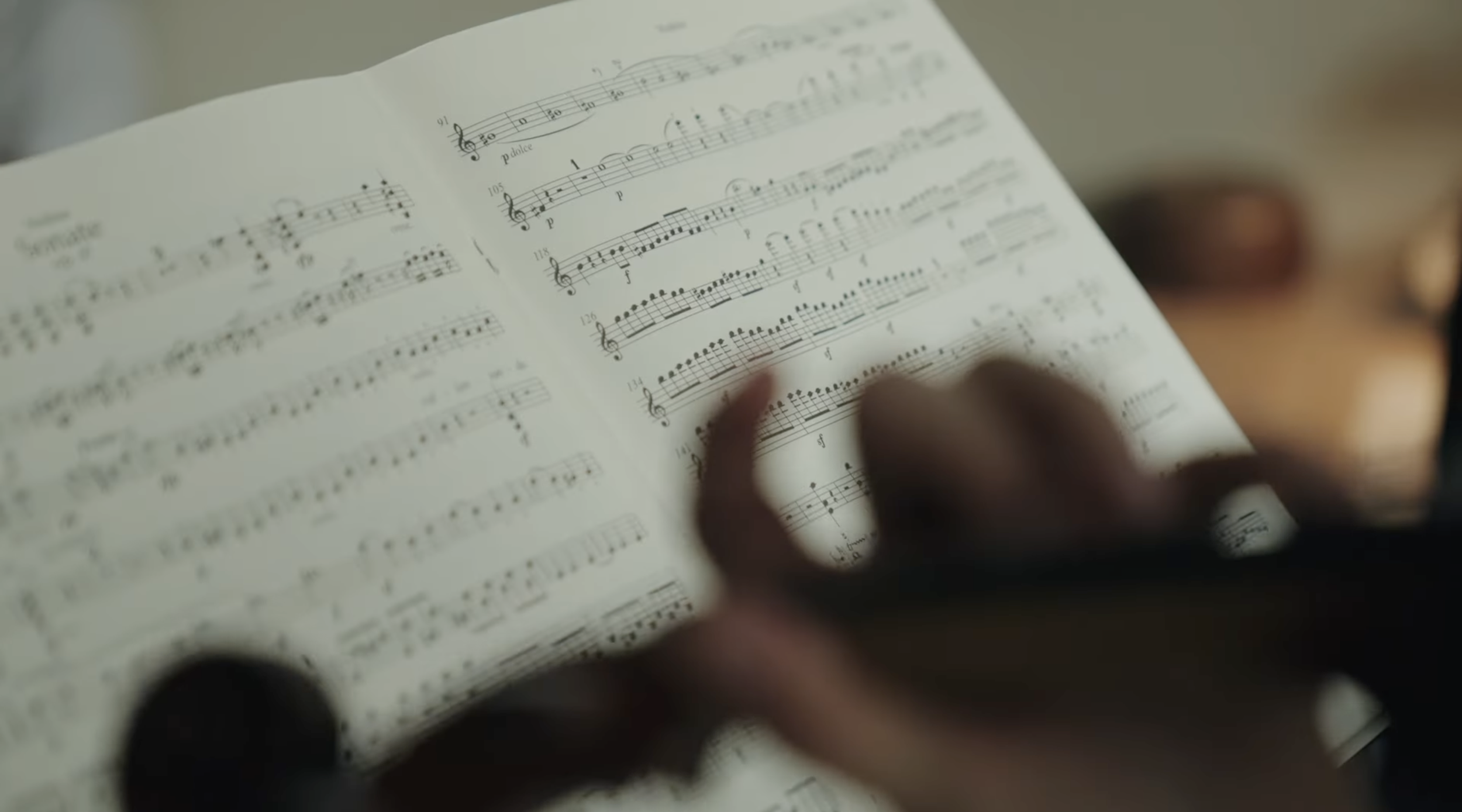
Bringing HIP Awareness to Modern Violin Playing
Classically trained and wondering what HIP would change? What historical thinking does to phrasing, articulation and timing, on the setup you already own.
Mindful Practice for the Modern Violinist
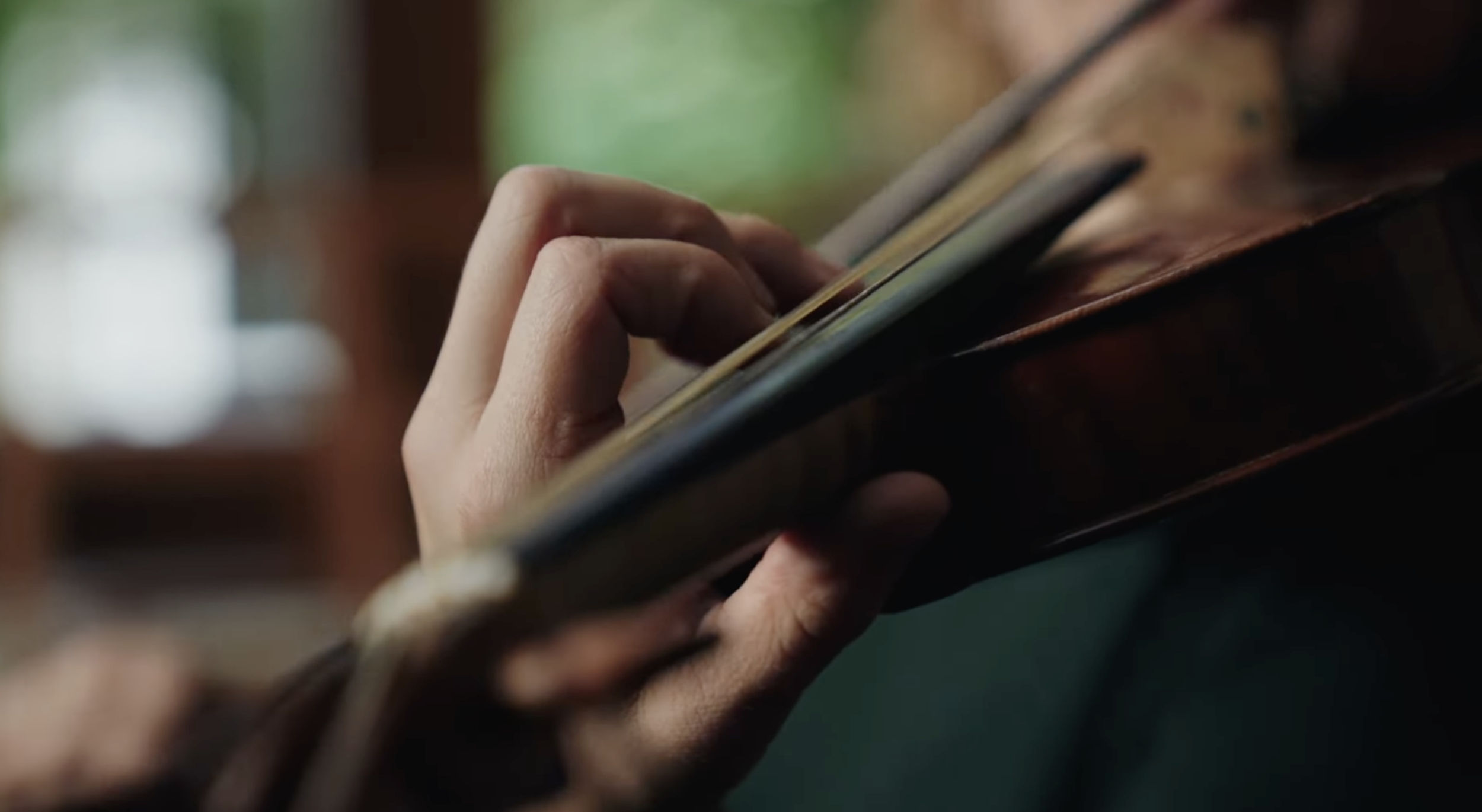
Most practice problems are not technique problems – they are attention problems. This article is about what changes when you bring genuine awareness to how you practice: what you listen for, what you notice, and how much less time it actually takes to make real progress.