

Useful Sources for Self-Studying the Baroque Violin
The most reliable advice about Baroque violin playing was written in the eighteenth century, and none of it has been superseded. A guide to the six primary sources – and an honest account of where self-study runs out.

What Is Historically Informed Performance – and Why It Still Matters
Historically informed performance is not about playing old music in a museum. It is a way of reading music – asking where a phrase comes from, what it wants, how its rhetorical structure shapes the bow arm. This article explains what HIP actually is, and why it tends to make everything you play more interesting.

Why Online Violin Lessons Work Better Than You Think
Most people assume online violin lessons are a compromise. They are not. This article makes the case honestly – what works well, what takes adjustment, and why many of my students make faster progress online than they ever did in person.
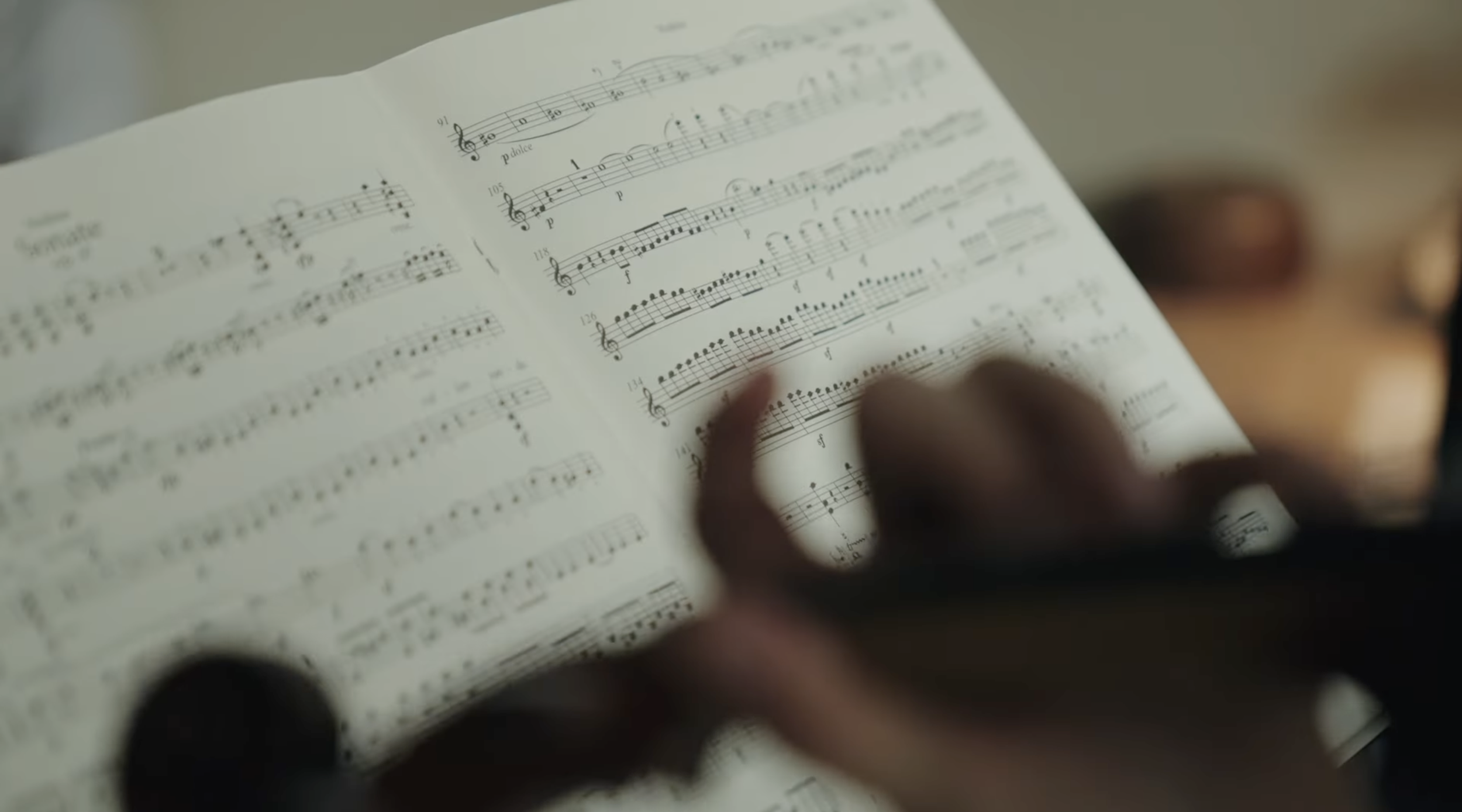
Bringing HIP Awareness to Modern Violin Playing
Classically trained and wondering what HIP would change? What historical thinking does to phrasing, articulation and timing, on the setup you already own.
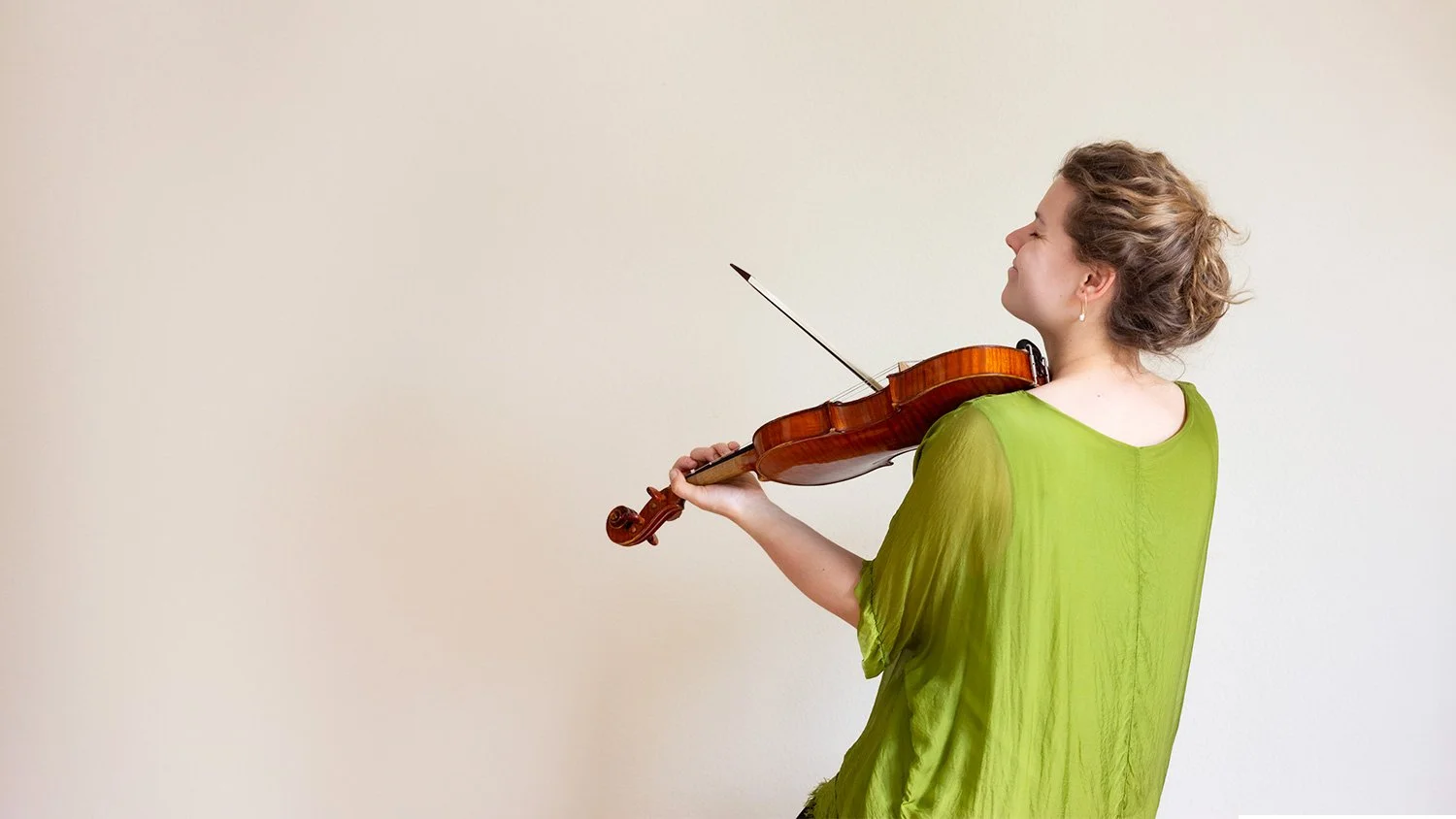
Holding The Violin With (Or Without) A Chin Rest
Chin-off violin playing is not a belief system – it is a skill. This article traces how violinists held the instrument before the chin rest existed, and shows how to explore that approach safely, without turning your setup into a new religion.
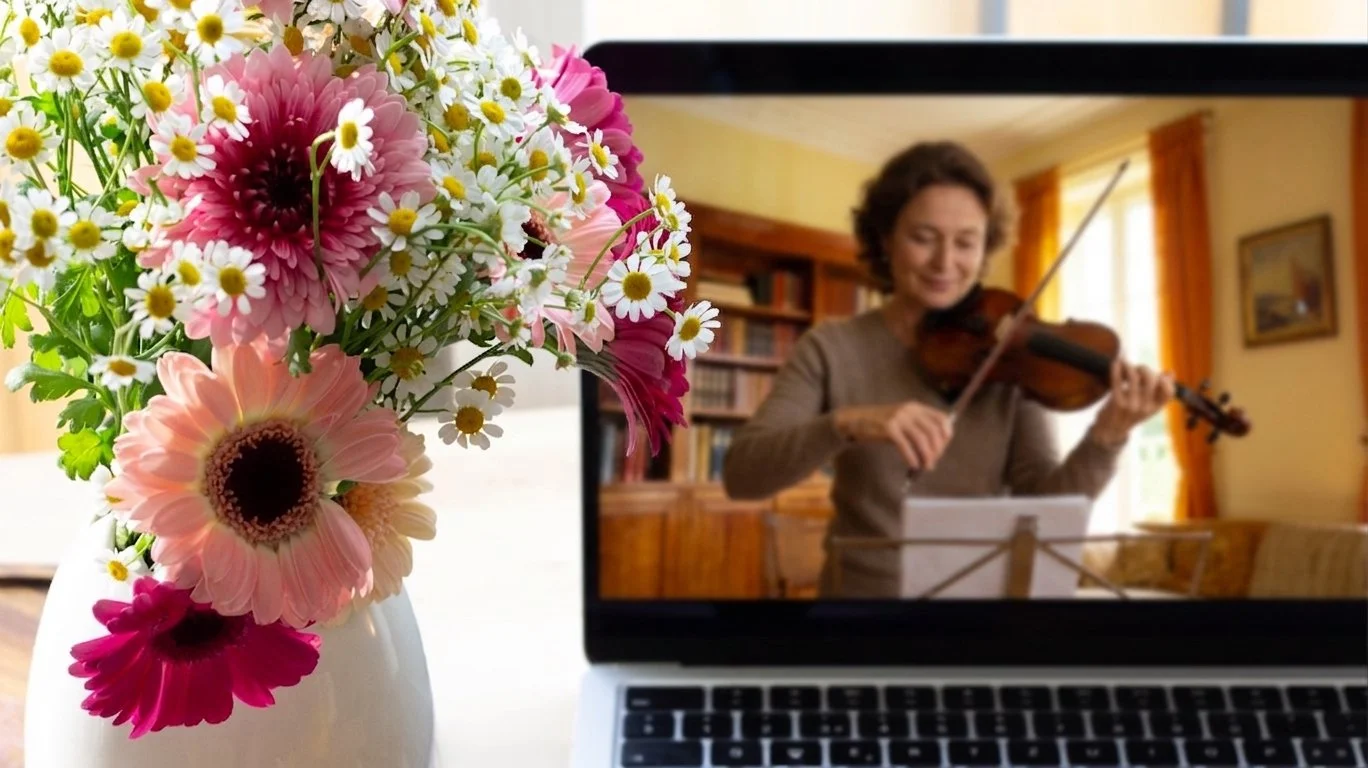
What to Expect From Your First Online Lesson With Me
Your first online lesson with me is not an audition. It is a conversation about where you are, what the violin means to you right now, and what we might work on together. No minimum level, no preparation required – just your violin, an open ear, and whatever brought you here.