
Starting Your Historically Informed Journey – Without a Baroque Setup
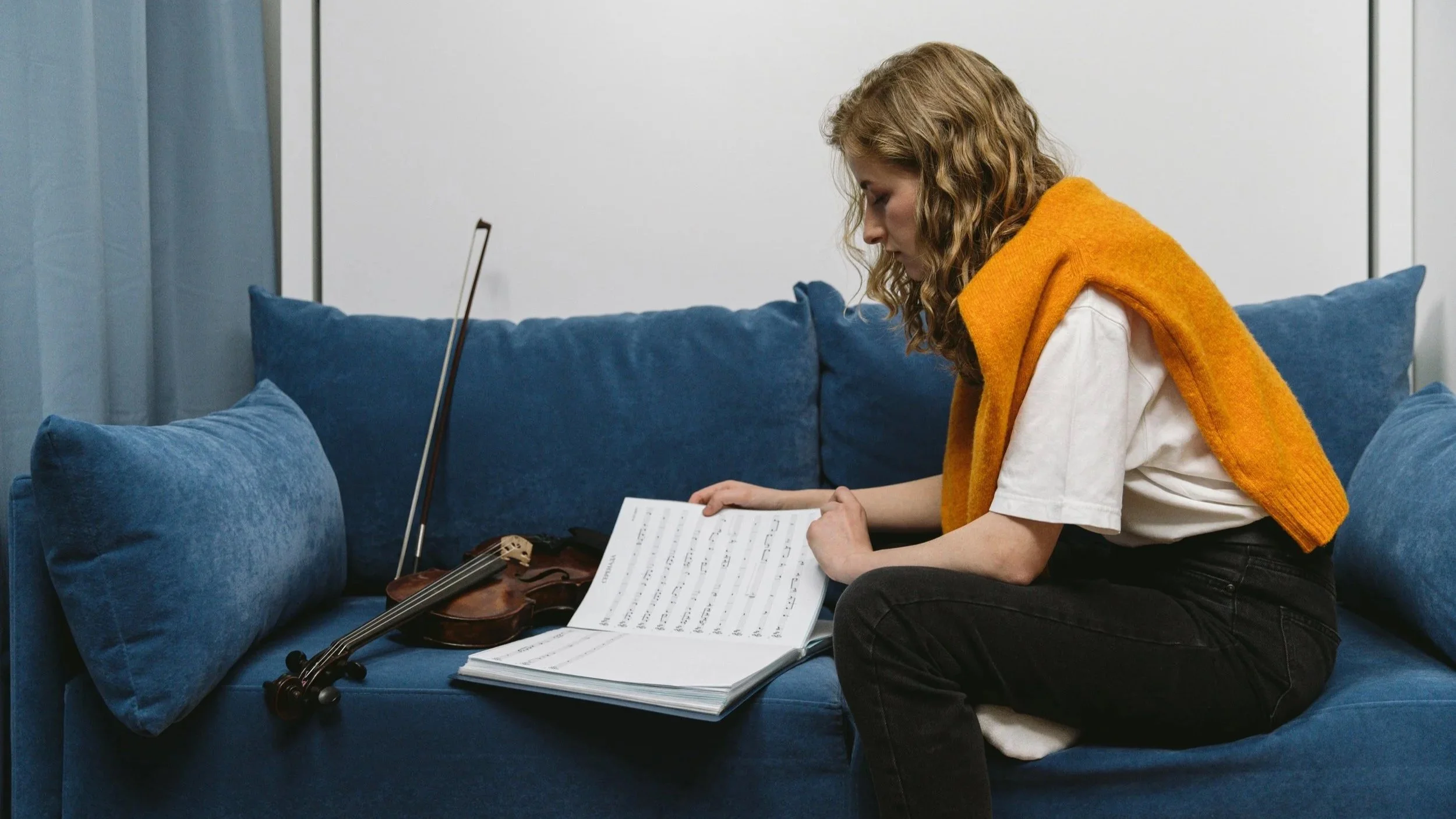
What can you try today that costs nothing and changes everything?
The Myth That You Need a Baroque Violin
Many violinists hesitate to explore Historically Informed Performance (HIP) because they don’t own a Baroque violin, gut strings, or a period bow. The truth is simple: you don’t need any of those things to start.
HIP begins with listening and awareness, not with equipment. You can explore phrasing, articulation, and style today – on your modern violin.
What matters most is understanding how earlier musicians approached sound and expression – how they shaped phrasing, contrast, and timing to communicate meaning. The equipment can come later, if and when you choose. Think of it as optional vocabulary, not an entry ticket.
Learning the Language Before the Accent
It helps to think of HIP as learning a language. Before you perfect the accent, you learn structure and intention.
Even on a modern setup, you can:
explore rhetorical phrasing,
refine bow articulation,
clarify gesture and contrast.
These are not tied to gut strings or convex bows – they’re musical ideas. Playing Bach or Corelli with this mindset changes how you phrase and listen. You suddenly start to notice where a line breathes, where emphasis naturally falls, how sound can question or respond.
Once that awareness takes root, your bow hand begins to adjust almost by itself – because your ear is leading.
I started the same way: a modern violin, sixteen years old, and ready for anything new. I was lucky to meet a teacher who treated style like colour and phrasing like brushstrokes. For her, freedom of sound mattered far more than what was in my hands. A little later, I bought my first Baroque bow and violin (both still in use), and the rest unfolded from there. The path didn’t begin with equipment – it began with curiosity and listening.
Your Modern Violin Can Still Speak Baroque
A historical setup has its own character – gut strings, lighter bows, and lower pitch all shape the sound differently. But you can explore many of the same musical principles right now.
Great ways to start on your own violin might start with:
speech-like bowing,
light, clear articulation,
simple ornamentation that mirrors Baroque phrasing,
noticing how sound starts and ends,
small changes in bow speed and contact that alter expression.
Treat this as musical curiosity, not a test of whether you’re “Baroque enough.” Once you understand these principles, moving toward historical equipment later feels natural – like a continuation, not a change. It’s not about imitation; it’s about insight!
The Musician’s Perspective
Historically Informed Performance isn’t a switch you flip; it’s a gradual shift in how you listen. Many of my students begin exactly here – curious, analytical, and occasionally unsure where to start. That’s perfectly fine. You might one day tune to A=415 or try gut strings, but those steps come later. What matters first is awareness – learning to hear phrasing, timing, and tension in a new way. That sensitivity transforms not just Baroque playing, but everything you play. Once you learn to listen differently, you never really play the same way again.
None of this requires special equipment – only a bit of patience, an open ear, and the willingness to let the violin answer back. With the right guidance, you can explore historically informed ideas on your current setup and connect centuries of music with your own experience.
The journey doesn’t begin with gut strings or a Baroque bow.
It begins with you – and your violin, exactly as it is.
If you feel that small tug of curiosity, that’s usually the right moment to begin – my online lessons meet you where you are and let the historically informed part grow from there!
More threads to follow ・・・
Holding the Violin With (Or Without) a Chin Rest │ For exploring body, balance, and support in a historically aware way.
Inside the Studio – How I Teach, Think, and Listen │ A longer read on how this historically informed mindset shapes lessons, sound, and practice.
Why Online Violin Lessons Work Better Than You Think │ How learning over a screen can sharpen your ear, focus, and progress more than traditional in-person lessons
☯︎
© 2026 Léna Ruisz. Text and images may not be reproduced without permission.